Lucena Hotels
Enter the dates, select the room and choose your hotel in Lucena
The best hotels in Lucena selected for you
Compare prices, reviews and location, then choose the hotel that suits you best.
View Map
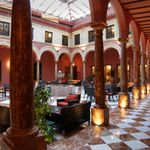
JUAN JIMENEZ CUENCA, 16, LUCENA
Charming hotel of Andalusian style in Lucena. The Santo Domingo Hotel is a pleasant establishment perfect to spend your time in Lucena, monumental city of the province of Cordoba. Read more

Veracruz, 1, 14900
Hotel Al-Yussana is located in the centre of Lucena, 73 km from Córdoba. The hotel features air-conditioned rooms, a 24-hour front desk and free Wi-Fi throughout. Read more

26 Calle Santiago, 14900
CASA DE TOSCA is set in Lucena. The air-conditioned accommodation is 33 km from Priego de Córdoba. Read more
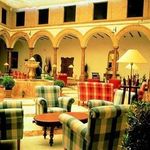
CALLE AGUA NO.12, 14900 LUCENA CORDOBA
Bar-Cafeteria, lounge, reading area. Read more

Carretera Córdoba- Málaga Km.74, 14900
Los Bronces is located in the Andalusian town of Lucena, halfway between Córdoba and Málaga. It has free Wi-Fi and free onsite parking. Read more

Bulevard El polígono, Los Santos, 39, 14900
Just 2 km from Lucena, El Poligono offers a traditional restaurant with a terrace, 24-hour reception and a free Wi-Fi zone. The simple, air-conditioned rooms feature satellite TV, a desk and a... Read more
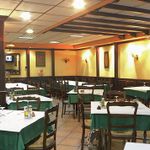
Carretera Cordoba - Malaga, Km 75, , 14900
Near Red Park, Free self parking is available onsite., Distances are displayed to the nearest 0. Read more
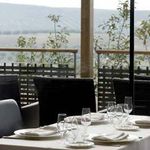
PARQUE EMPRESARIAL PRINCIPE FELIPE, PARCELA MT-1 14900
This hotel is a great alternative to Cordoba. Lucena is located right in the heart of Andalusia. Read more
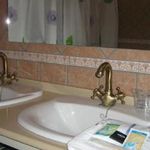
CRTR EL SANTUARIO KM4 100 LUCENA, , 14900
Our farm is surrounded by an ocean of olive trees and located in the geographical center of Andalusia. Nearby you can find spectacularly beautiful viewpoints, wetlands or the Natural Park of Sierra... Read more

1487 Diseminado Diseminados, 14913
Situated in Lucena, Cortijo Dominguez features accommodation with a private pool. The accommodation is 40 km from Antequera, and guests benefit from complimentary WiFi and private parking available... Read more

Colina de la Virgen - La Camila, 14900
Boasting air-conditioned accommodation with a private pool, pool view and a patio, Dehesa Elías is situated in Lucena. This holiday home features a bar, a garden, as well as a terrace. Read more
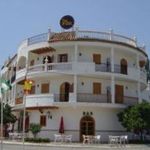
Ctra. Lucena-Loja, Km.22, 14960 Rute
The Hotel is located in the historical town of Rute, known for its production of local aniseed liqueurs as well as the chocolate and typical sweets consumed in Spain at Christmas time. Read more
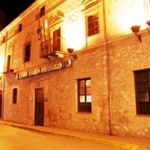
Juan Jimenez Cuenca, 16 - Lucena - 14900
This 4 star hotel is located in the city centre of Lucena. All 30 rooms are equipped with minibar, hairdryer, safe and air conditioning. Read more
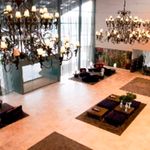
Pk Empresarial Principe Felipe - C/ Pontevedra 1, Lucena - 14900
This 4 star hotel is located in the suburbs of Lucena. Read more